 Expertspost
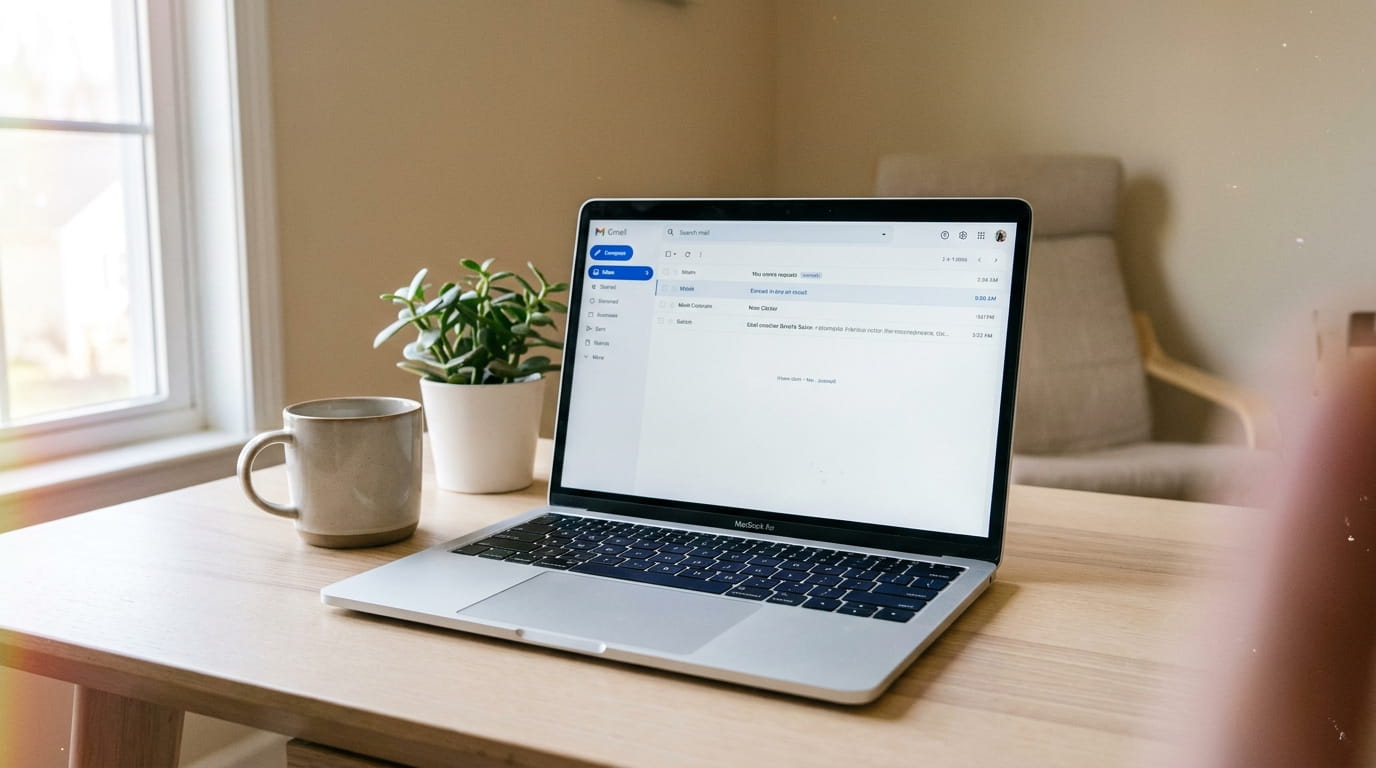
Email takes up more of the workweek than almost anyone would choose on purpose. Microsoft's 2023 Work Trend Index found that the heaviest 25 percent of email users spend 8.8 hours a week in their inbox, and that across its apps people now spend 57 percent of their time communicating versus 43 percent actually creating things.
The good news is that inbox control doesn't require heroics, a fancy app, or a dramatic declaration of email bankruptcy — the triumphant archive-everything cleanup famously feels great for three days and changes nothing. What works is a schedule, a minimal structure, and less incoming mail. Each piece is boring; together they hold.
Check on a schedule, not on impulse
The most useful single change is checking email at fixed times instead of whenever it twitches. In a University of British Columbia experiment, researchers Kostadin Kushlev and Elizabeth Dunn had 124 adults limit email checks to three times a day for a week, then check freely the next week. During the limited week, participants reported significantly lower daily stress, and lower stress in turn predicted better well-being across a range of measures.
Two or three sweeps a day — say mid-morning and mid-afternoon — is enough for most office work. Outside those windows, the app stays closed and mail notifications stay off; if notifications are a general problem for you, that battle is bigger than email and worth fighting properly, as covered in the guide to getting a real hour of focus.
Scheduled checking also breaks the slot-machine loop that makes email exhausting in the first place. Constant checking turns the inbox into a game — clear the messages, collect the small dopamine win, repeat — which feels productive while quietly prioritizing fast, easy replies over the two genuinely hard emails rotting at the bottom. A fixed sweep flips that: the time is bounded, so the hard messages get handled first instead of indefinitely deferred.
Two folders and a delete key
Elaborate folder systems mostly waste the time they're supposed to save: filing email is work, and modern search makes it unnecessary work. A minimal structure does the same job.
- Inbox means "needs a decision or reply." If it's here, you still owe something.
- Waiting is one folder for things you've handed off and are waiting on. Check it every couple of days so nothing stalls silently.
- Archive is everything else. One big bucket, no sub-folders. Search finds it.
And the delete key, which deserves rehabilitation. Newsletters that go unread, app notifications, receipts that don't matter: gone, not archived "just in case." The just-in-case email is almost never the one you later need — and when it is, your own reply usually sits in the sent folder anyway. Anything beyond these two folders is filing for filing's sake.
The four-decision sweep
During a sweep, every message gets exactly one of four decisions: reply now if it takes under two minutes, move it to Waiting if it's handed off, turn it into a task if it needs real work, or delete/archive. The two-minute rule comes from David Allen's Getting Things Done method, and it does a lot of heavy lifting because most email is genuinely small.
The mindset shift behind the sweep: an inbox is an in-tray, not a workspace. The actual work belongs on a task list and a calendar; email just delivers the requests. Messages that need more than a quick reply get captured into the task system — ideally one that gets a regular cleanout, as described in the 20-minute weekly review — and the email itself gets archived. Once nothing important lives only in the inbox, two short sweeps a day turn out to be plenty.
The best trick is getting less mail
The fastest way to handle email is to receive less of it. Three moves cut volume substantially:
- Unsubscribe aggressively, including from things you half-like. Anything truly important will reach you another way.
- Turn off notification emails from apps that also notify you in the app, which is most of them.
- Steer quick back-and-forth to chat. A five-message email thread is usually a two-minute conversation wearing a costume.
A 25 to 35 percent drop in incoming volume is realistic within a month or two, and that reduction compounds: it's a third less to process every day, forever. No processing technique comes close to that return, because every other trick still requires touching each message at least once.
One last note on recovery, because every system decays during a vacation or a crunch. Don't attempt a triumphant cleanup. Run a normal sweep on the newest twenty messages, archive everything older than two weeks unread — if it genuinely mattered, someone has followed up by now — and resume the routine the next day. Recovery should be one sweep, not a weekend project.
Frequently asked questions
Is Inbox Zero worth pursuing?
As a constant state, probably not. An inbox empties and refills every time someone hits send, so chasing zero means chasing a number you don't control. A calmer target is an inbox where everything visible still genuinely needs something from you — whether that's five messages or twenty. The count matters less than whether you trust what's in it.
How often should you check email?
In the University of British Columbia experiment described above, limiting checks to three times a day measurably lowered daily stress compared with unlimited checking. Two to three scheduled sweeps suits most office jobs. If your role genuinely requires faster responses, batch everything else and keep one channel — not your whole inbox — open for the truly urgent.
Should you archive or delete?
Delete anything you would never search for: notifications, expired offers, newsletters you didn't read. Archive the rest in a single bucket and let search do the finding. Elaborate folder trees rarely pay back the filing time; one archive plus a decent search query almost always wins.
Sources & further reading
- Check less to reduce email stress (Kushlev & Dunn study) — ScienceDaily / University of British Columbia
- Work Trend Index 2023: Will AI Fix Work? — Microsoft WorkLab
- Getting Things Done — official site — David Allen Company