 Expertspost
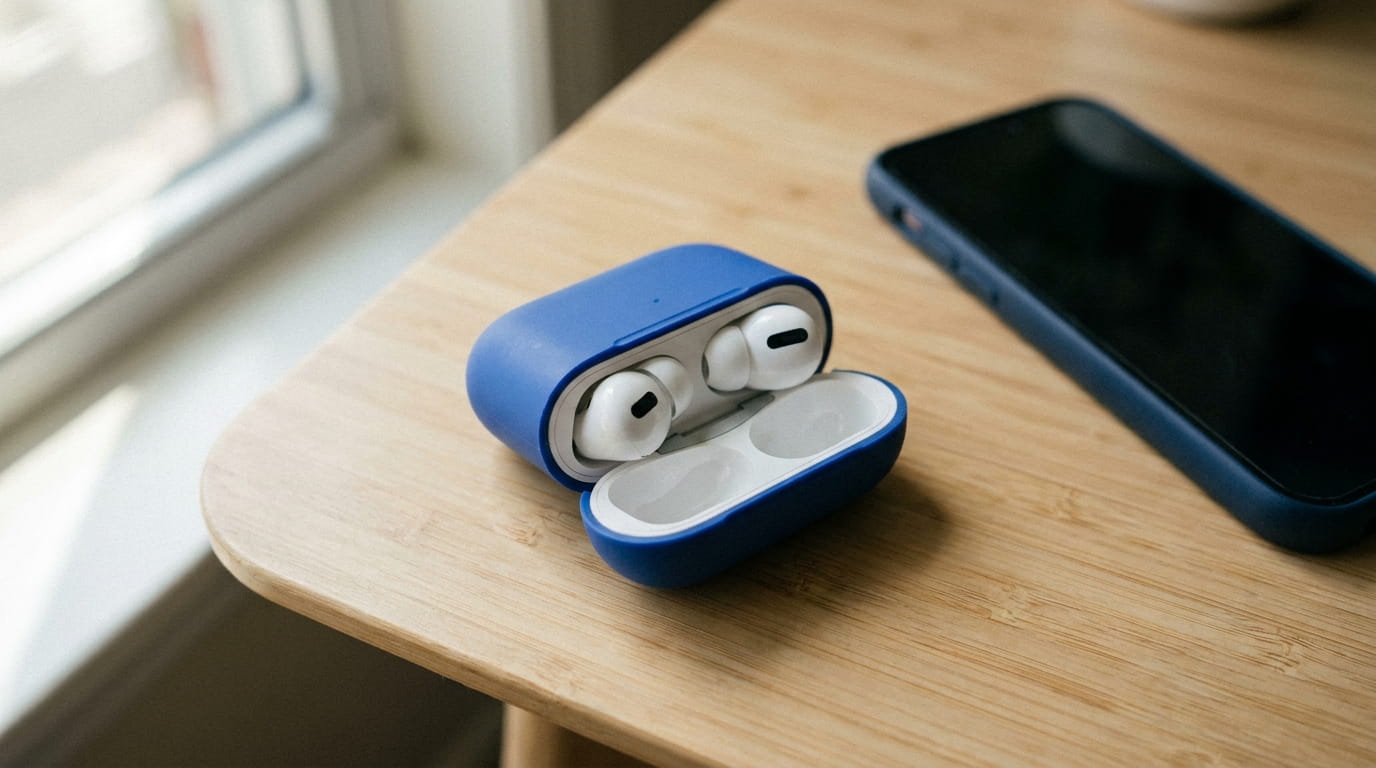
Earbud marketing pushes the conversation toward sound quality and exotic codecs, because that is where expensive models win on paper. In daily use, the things that determine whether a pair actually gets worn are fit, battery, and microphone quality, and those are available well below flagship prices. Here is how to sort the spec sheet by what you will actually feel.
Fit beats everything else
No audio quality survives a bud that keeps working loose. Ear canals vary enormously, which is why a pair one person loves is miserable for another, and why fit is the single spec you cannot read off a box.
Three practical rules follow. Prefer earbuds that ship with multiple silicone tip sizes, since the right tip transforms both comfort and bass. Decide early between sealed in-ear tips, which isolate noise and deliver bass but bother some ears after an hour, and open designs that sit in the ear's bowl, which trade isolation for long-wear comfort. And buy from a retailer with an easy return window, then genuinely test the pair on a walk or workout inside it. For a sealed pair that fits but slips during exercise, inexpensive third-party foam tips often grip better than anything in the box.
On durability ratings: an IPX4 rating means a device is splash and sweat resistant, not waterproof. Apple's documentation for AirPods is unusually candid here, noting that ratings are issued under the IEC 60529 standard and that water and sweat resistance are not permanent conditions and diminish with wear. The same physics applies to every brand, so treat IPX4 as gym-proof, not shower-proof.
The features that matter, by tier
Once fit is sorted, the meaningful differences between price tiers look roughly like this:
| Feature | Budget ($25–60) | Mid-range ($80–150) | Flagship ($200+) |
|---|---|---|---|
| Battery per charge | 4–6 hours | 6–8 hours | 6–8 hours |
| Call microphone | Wildly inconsistent | Usually solid | Good, rarely the best part |
| Noise cancelling | Token or absent | Decent, takes the edge off | Noticeably deeper |
| Multipoint (two devices) | Rare | Common | Standard |
| Sweat resistance (IPX4+) | Hit and miss | Standard | Standard |
The pattern worth noticing: the jump from cheap junk to a solid mid-range pair is enormous, while the jump from mid-range to flagship buys polish rather than transformation. High-resolution codecs need the right source files to matter, and spatial audio is a novelty most people switch off within a week. If you take calls on earbuds, hunt down call-quality samples specifically; microphone performance is the spec reviewers skip and owners complain about.
Two daily-life features punch above their spec-sheet weight. Multipoint, staying paired to a phone and laptop simultaneously so audio follows whichever one is active, removes the most common Bluetooth annoyance and is now common at mid-range prices. And controls that work reliably matter more than controls that do more: touch surfaces that misfire when adjusting a bud are a small daily tax, so reviews that mention control accuracy are worth weighting.
Noise cancelling, honestly
Active noise cancellation is built for steady low-frequency drone, engines, ventilation, road hum, and good ANC genuinely flattens those. What it does not do well is sudden or high-pitched sound: a talking coworker or a barking dog passes through, so anyone buying ANC to silence an open-plan office will be disappointed, and a well-sealed tip provides much of that isolation passively.
There is also an underrated health angle. The World Health Organization estimates that over 1 billion young adults risk permanent hearing loss from unsafe listening practices, chiefly listening too loud for too long. The practical benefit of ANC on a bus or plane is that it removes the background roar people instinctively turn the volume up to beat, letting you listen meaningfully quieter. Frequent flyers can justify flagship ANC on that basis; homebodies are often paying for a feature they will rarely engage. The companion "transparency" mode, which pipes outside sound in for traffic and conversations, tends to get used far more than ANC itself and is a smart tiebreaker between two pairs.
A sensible buying routine
- Set the budget at mid-range, $80 to $150, unless one specific feature, usually best-in-class ANC for frequent flights, justifies more.
- Match to the main use: gym means secure fit and IPX4 or better, commuting means ANC and battery, all-day calls mean microphone quality above everything.
- Read reviews that test the boring things, fit, call quality, and real-world battery, rather than sound impressions alone.
- Buy where returns are easy, and test the pair in your actual life within the window.
One last practical note: earbuds usually die by battery, not by sound. The tiny cells inside wear out faster than a phone's, and the same lithium-ion care rules in Apple's battery guidance, chiefly avoiding heat, apply in miniature, just as they do for the phone in your pocket. Keeping the case out of hot cars buys a noticeable extra stretch of life before the drawer claims them.
Sources & further reading
- Deafness and hearing loss — World Health Organization
- About the sweat and water resistance of AirPods — Apple Support
- Batteries: Maximizing Performance — Apple